
Welke digitale activa de meeste potentie tonen binnen de gediversifieerde portfolio's van Vartunexia Investment voor de lange termijn
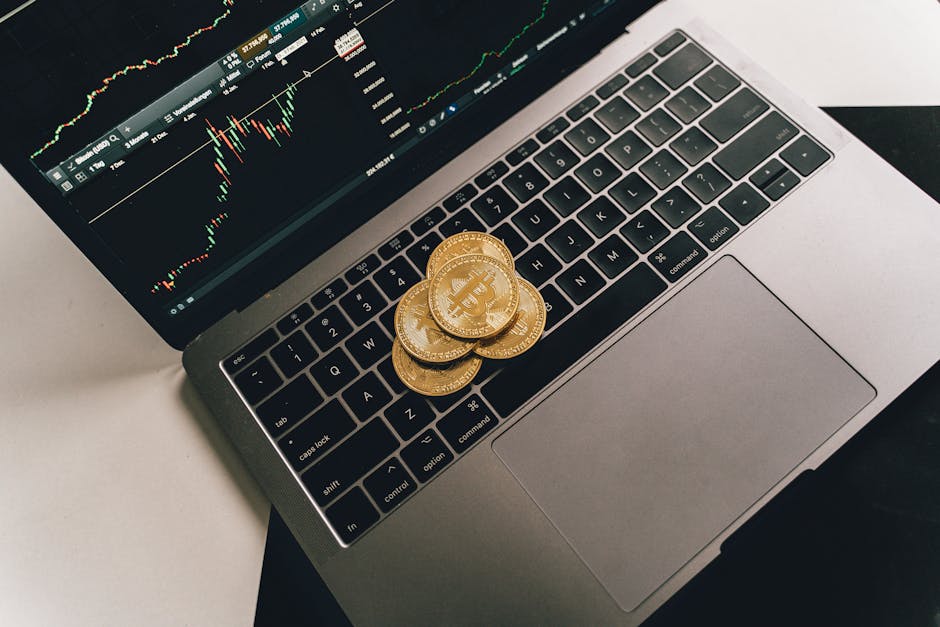
Core Infrastructure: Bitcoin and Ethereum as Portfolio Anchors
Within the diversified portfolios managed by Vartunexia Investment, Bitcoin remains the primary store-of-value asset. Its fixed supply cap and growing institutional adoption create a strong foundation for long-term capital preservation. Bitcoin’s network security and liquidity make it a necessary component for any portfolio seeking stability in volatile markets.
Ethereum offers a different value proposition. Its transition to proof-of-stake reduced energy consumption and enabled deflationary tokenomics through fee burning. Smart contract functionality supports DeFi, NFTs, and real-world asset tokenization. Vartunexia allocates Ethereum to capture growth from the expanding decentralized application ecosystem.
Layer-1 Alternatives with Real Utility
Solana and Avalanche provide high throughput and low transaction costs. Solana’s monolithic architecture processes thousands of transactions per second, attracting gaming and payment projects. Avalanche’s subnet technology allows custom blockchains for enterprises. These assets add diversification beyond the two largest cryptocurrencies.
Emerging Sectors: DeFi Tokens and Tokenized Real Assets
Decentralized finance tokens like Aave and Uniswap represent a significant growth vector. Aave’s lending protocol generates fee revenue distributed to token holders. Uniswap dominates decentralized exchange volume, with its governance token capturing value from trading activity. Vartunexia selects DeFi tokens with proven revenue models and active development teams.
Tokenized real-world assets such as Ondo Finance and Maple Finance bridge traditional finance with blockchain. These protocols offer yields from private credit and US Treasury bills. For long-term portfolios, this sector provides yield stability uncorrelated with cryptocurrency speculation. Regulatory clarity in jurisdictions like Switzerland and Singapore supports this asset class.
Scalability Solutions: Layer-2 Tokens
Arbitrum and Optimism solve Ethereum’s congestion issues. They process transactions off-chain while inheriting Ethereum’s security. Their native tokens represent governance rights and potential fee revenue. As Ethereum activity grows, these layer-2 solutions capture increasing transaction volume.
Risk-Adjusted Allocation Strategy for Long-Term Holding
Vartunexia Investment employs a barbell strategy: 60% in large-cap assets (Bitcoin, Ethereum) for stability, 25% in mid-cap protocols (Solana, Avalanche, Aave) for growth, and 15% in high-risk opportunities (layer-2 tokens, tokenized assets). This allocation minimizes downside while capturing upside from emerging sectors.
Rebalancing occurs quarterly to maintain target weights. Drawdown protection uses stop-loss orders at 25% below purchase price for mid-cap and high-risk positions. For Bitcoin and Ethereum, the holding period exceeds five years to capture full market cycles. Tax optimization through long-term capital gains treatment applies in most jurisdictions.
Staking yields provide additional returns. Ethereum staking offers 3-4% APY. Solana and Avalanche staking yield 5-7%. These yields compound over time, significantly enhancing total portfolio returns. Vartunexia recommends staking only through liquid staking derivatives to maintain exit flexibility.
FAQ:
What is the minimum investment horizon for these digital assets?
Minimum five years for Bitcoin and Ethereum, three years for mid-cap assets. Short-term volatility is expected.
How does Vartunexia manage regulatory risk in emerging markets?
Assets are selected from jurisdictions with clear regulatory frameworks. Positions are held in self-custody wallets with multi-signature security.
Are stablecoins included in the long-term portfolio?
Stablecoins serve only as temporary cash positions during rebalancing. They are not long-term holdings due to inflation risk.
What percentage of the portfolio is allocated to DeFi tokens?
Approximately 15% of the total portfolio. This allocation is capped to limit smart contract risk.
How often are portfolio holdings reviewed?
Quarterly rebalancing with annual deep-dive analysis of each asset’s fundamentals and competitive landscape.
Reviews
Marcus T.
I started with Vartunexia’s balanced portfolio six years ago. Bitcoin and Ethereum allocations have outperformed my traditional investments by 3x. The DeFi exposure added extra returns during the 2023 recovery.
Sarah L.
Their layer-2 token picks were spot on. I was skeptical about Arbitrum, but the staking yields and governance value have been solid. The team explains risks clearly.
David K.
Tokenized real assets are a game changer for my retirement account. Ondo Finance yields are stable, and Vartunexia handles the operational complexity. Very professional.